
Make an Appointment

P.R.P Therapy For Tenosynovitis

Regenerative, non-surgical support for tendon sheath inflammation and chronic pain.

PRP therapy for tenosynovitis at Pandey Diagnostics Center
Regenerative Care Targeted PRP support for tendon sheath healing

P.R.P Therapy For Tenosynovitis

PRP therapy is commonly recommended for knee pain, sports injuries, tendon injuries, arthritis-related pain, ligament strains, tennis elbow, shoulder pain, and other long-standing orthopedic problems. During the procedure, a small blood sample is collected, processed to separate platelet-rich plasma, and then carefully injected into the affected area under medical guidance.

  • Commonly used for chronic orthopedic and sports-related pain conditions
  • Helpful in selected tendon, ligament, shoulder, and elbow injury patterns
  • Uses your own blood components for regenerative support
  • Day-care procedure with targeted injection under medical guidance
Short Procedure Minimally Invasive Patient-Safe Protocols

Understanding PRP Therapy: Conditions, Procedure, and Care

A quick guide to where PRP is used and what happens during the treatment process.

Conditions Where PRP Is Recommended
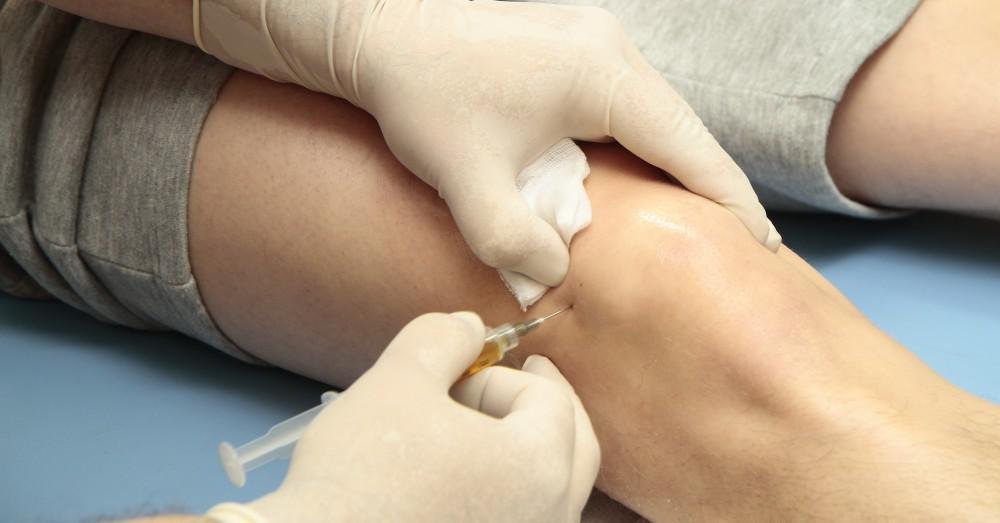
Understanding PRP therapy for tendon sheath inflammation

Commonly Treated Conditions

  • Knee pain and early arthritis-related joint pain
  • Sports injuries and repetitive strain injuries
  • Tendon injuries and ligament strains
  • Tennis elbow, shoulder pain, and chronic orthopedic pain

Why Doctors Suggest PRP

It may be considered when pain is long-standing, recovery is slow, or functional movement is limited despite routine conservative care.
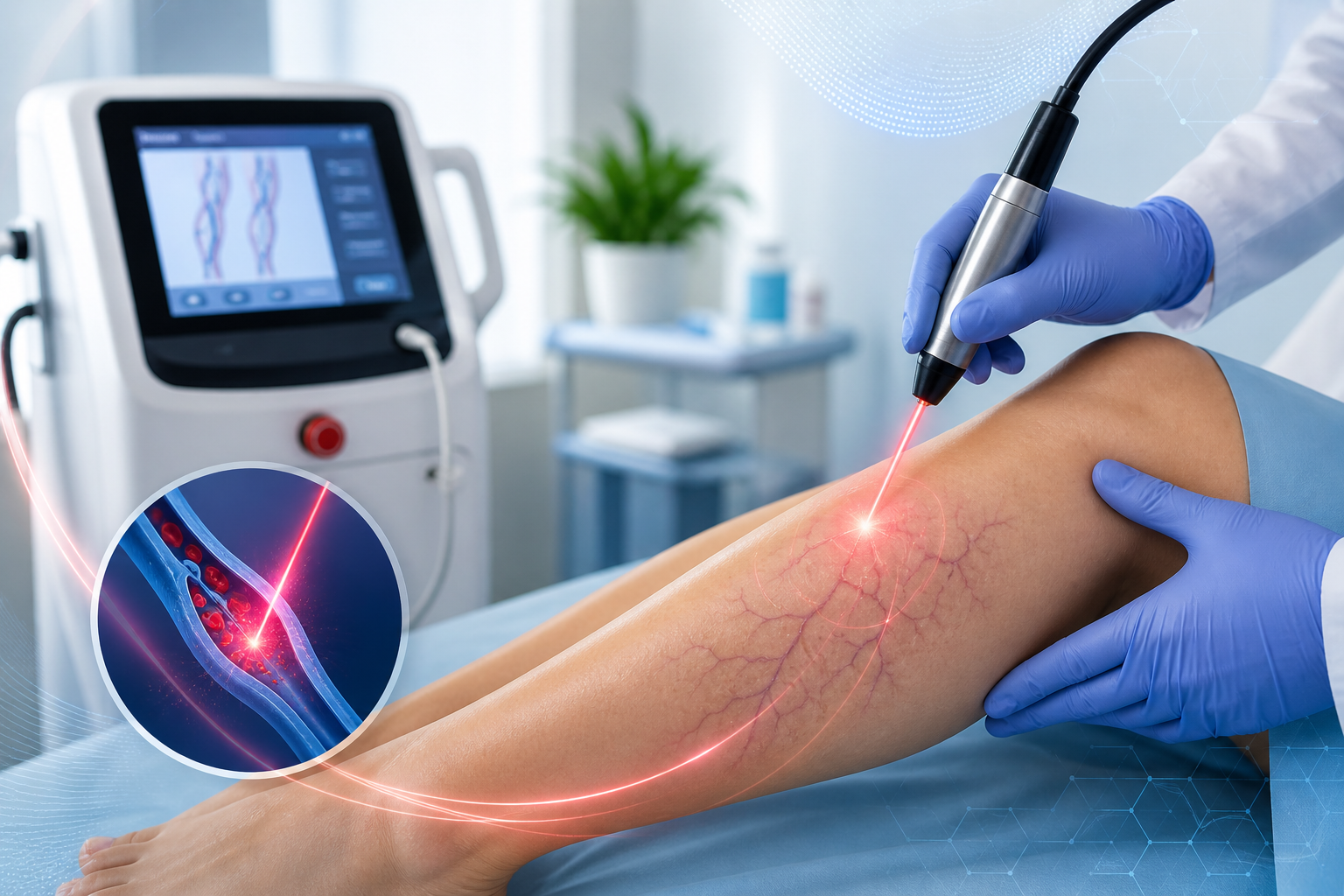
How the PRP Procedure Works

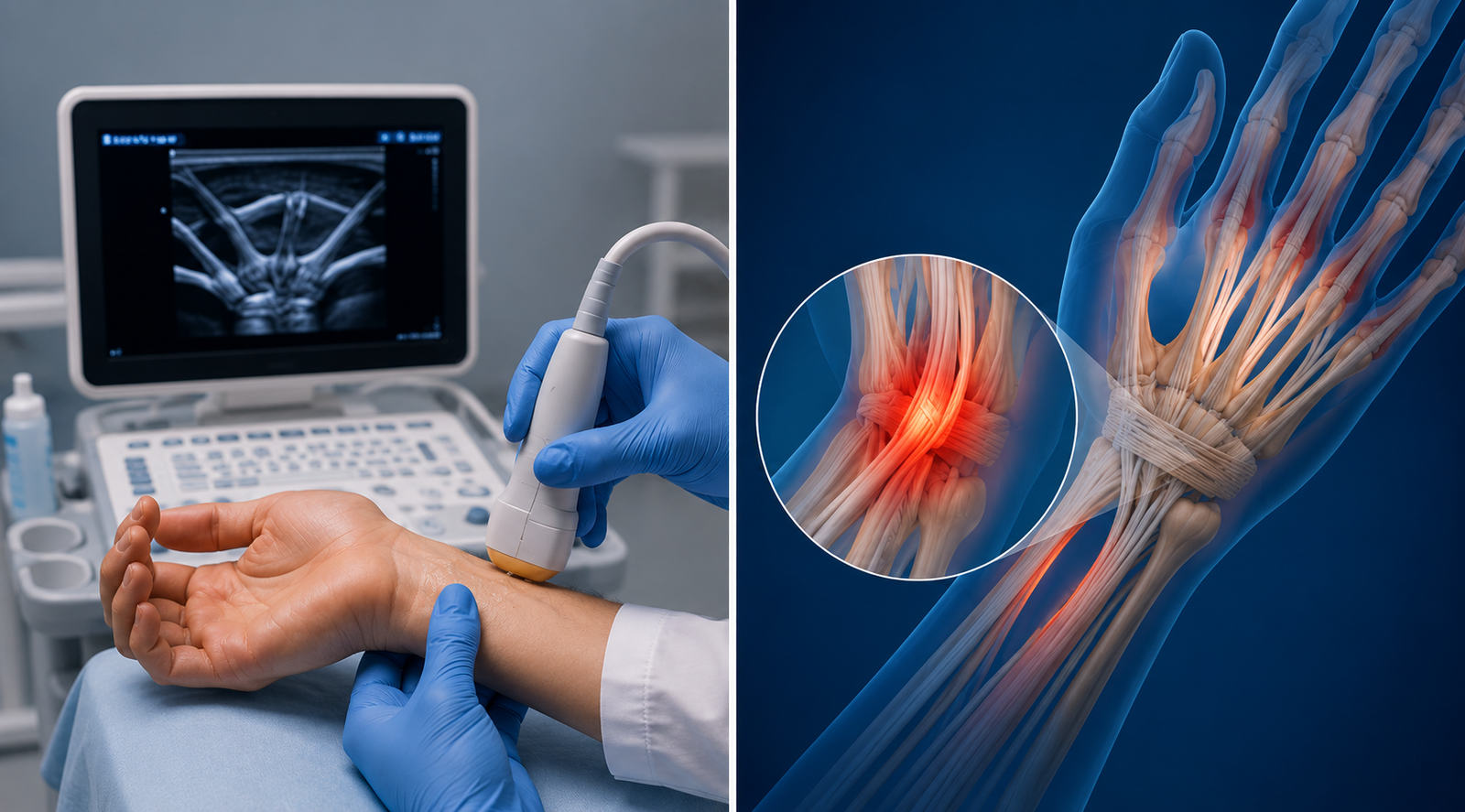
Tenosynovitis symptoms and causes overview

Step-by-Step Process

  • A small sample of blood is collected
  • The sample is processed to separate platelet-rich plasma
  • The target painful area is identified clinically
  • PRP is carefully injected under medical guidance

After the Procedure

  • Most patients return home the same day
  • Temporary soreness at injection site can occur
  • Activity is resumed gradually as advised by doctor
  • Follow-up decides need for additional sessions

Safety, Risks, and Recovery

Risk factors and complications of untreated tenosynovitis

Safety Points

  • PRP uses your own blood, reducing allergy concerns
  • Suitability is confirmed through clinical assessment
  • Sterile technique is used during processing and injection
  • Treatment planning is individualized for each case

Possible Temporary Effects

  • Mild pain or heaviness at injection area
  • Short-term swelling or tenderness
  • Activity restriction for a short recovery phase
  • Review is needed if pain or swelling persists unusually

Frequently Asked Questions

Is PRP safe?

PRP generally has good safety profile because it uses your own blood components.

How many sessions are needed?

Sessions vary based on tissue condition, pain duration, and clinical response.

When can I resume activity?

Light activity is often possible soon, while full loading is resumed as advised by the doctor.

Is PRP injection painful?

Mild discomfort can occur during or after injection, but it is generally short-lived and manageable.

Are there side effects after PRP?

Temporary soreness, swelling, or stiffness at the injection site can occur for a short duration in some patients.

Does PRP give immediate pain relief?

Relief is usually gradual over weeks as tissue healing response develops, and follow-up is important.