Make an Appointment

Fallopian Tube Recanalization

Image-guided, minimally invasive support for proximal tubal blockage and fertility planning.

Understanding Fallopian Tube Recanalization (FTR)

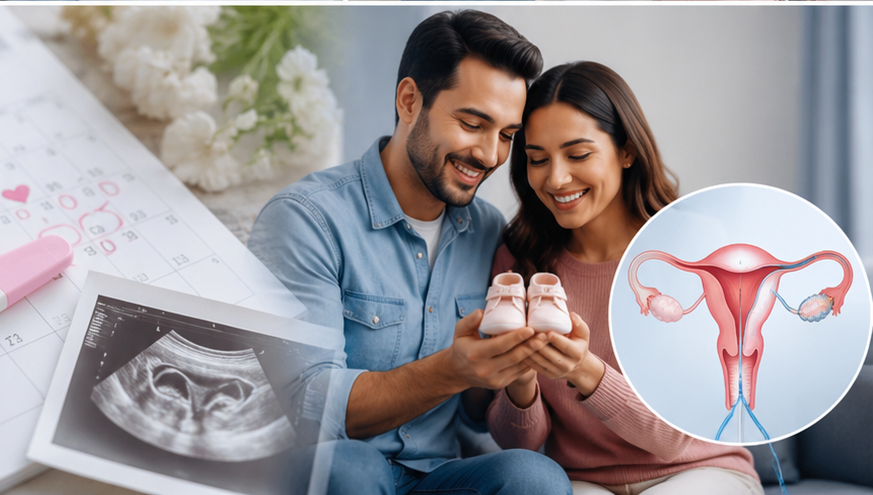
Fallopian Tube Recanalization (FTR) is a non-open, image-guided procedure used to clear proximal tubal blockage in selected infertility cases. Using a micro-catheter and guidewire technique, the blocked segment is gently opened to restore tubal passage. At Pandey Diagnostics Center, we focus on proper case selection, safe procedural protocol, and fertility-oriented follow-up planning.

  • Image-guided, non-open surgical approach
  • Typically completed as a short day-care procedure
  • Focused on restoring tubal patency for fertility support
  • Post-procedure guidance for conception planning
Short Procedure Time Minimally Invasive Patient-Safe Protocols

FTR: Procedure, Diagnosis, and Expected Outcomes

A quick visual guide to how the procedure works and what to expect after treatment.

What Is Fallopian Tube Recanalization?
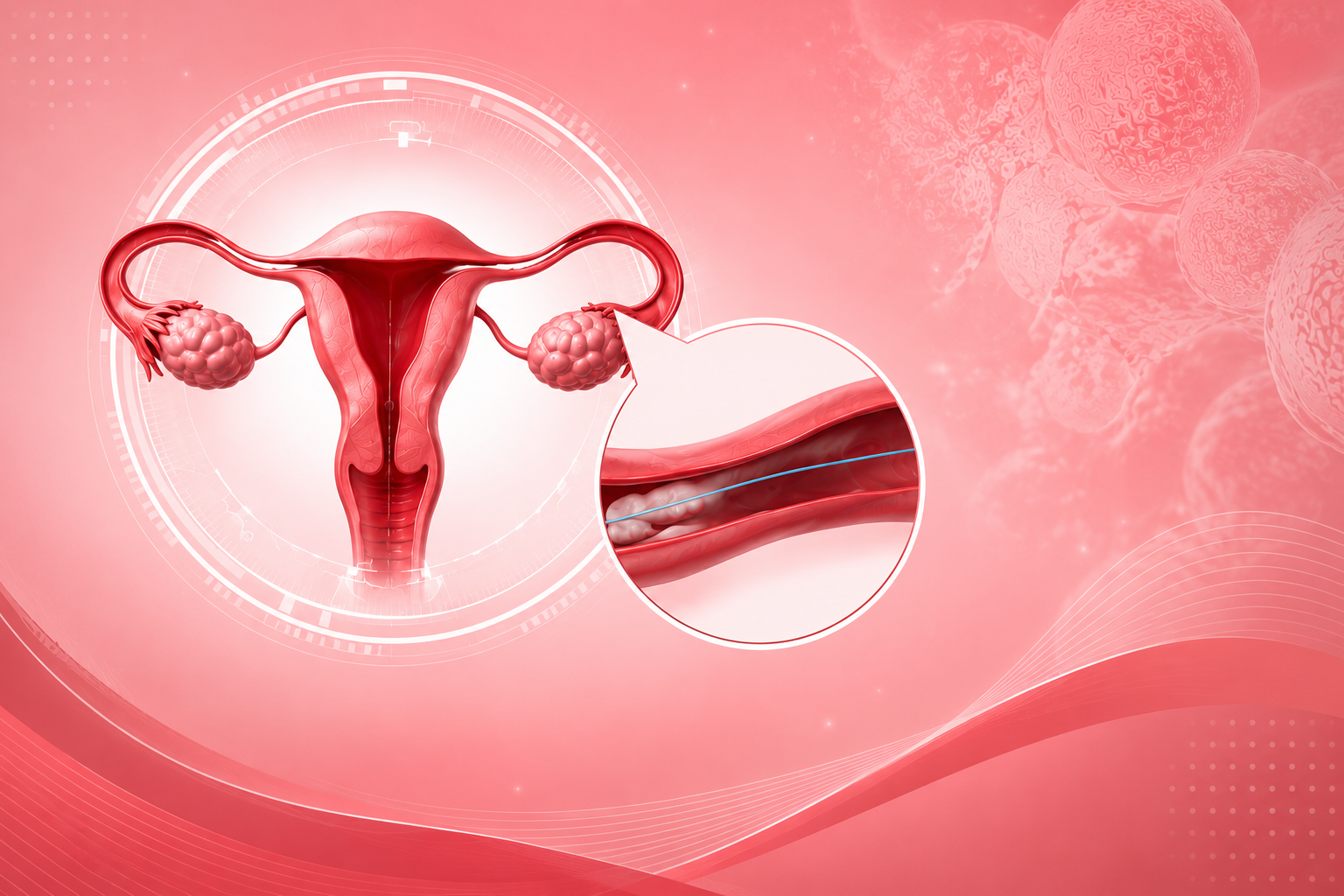
Fallopian tube recanalization explanation and mechanism

Core Concept

FTR is a minimally invasive fertility procedure used to open blocked proximal fallopian tubes. A micro-catheter and fine guidewire are used to restore the path between the uterine cavity and the tube in suitable cases.

Important Notes

  • Commonly considered in proximal tubal blockage
  • Reported technical success can be high in selected patients
  • Helps avoid immediate open surgery in many cases
  • Requires specialist evaluation for best outcomes
Causes and Diagnosis

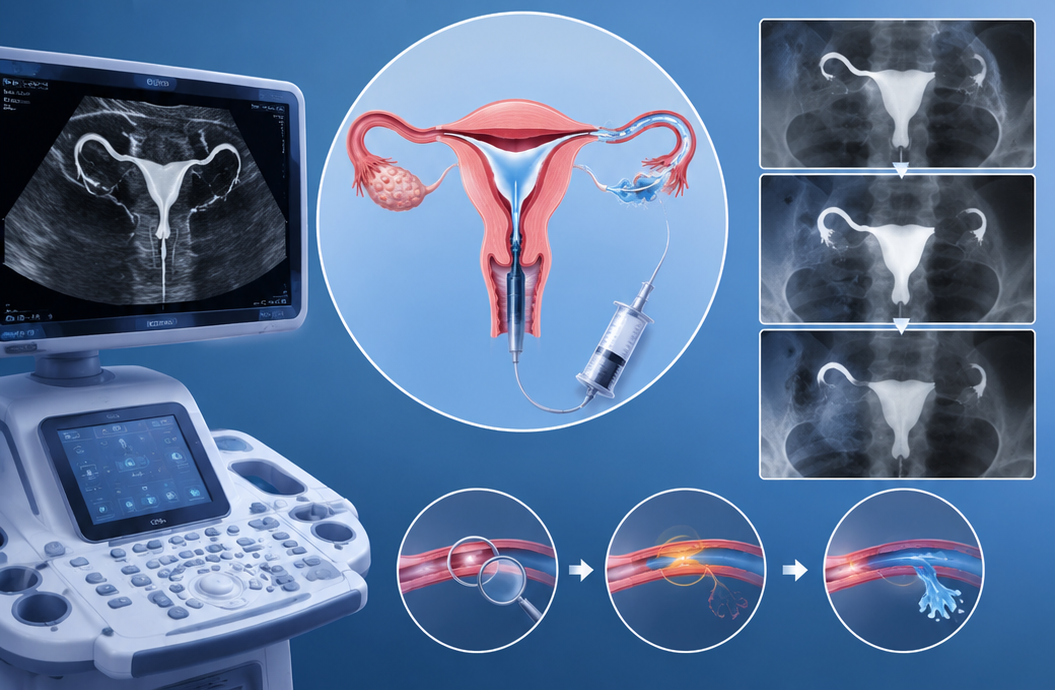
Fallopian tube blockage causes and diagnosis chart

Why Blockage Happens

  • Infection and pelvic inflammatory changes
  • Endometriosis and scar tissue formation
  • Previous pelvic surgery effects
  • Past ectopic pregnancy-related tubal damage

How It Is Diagnosed

  • HSG is commonly used to assess tubal patency
  • Contrast is introduced to map uterine-tubal flow
  • Imaging helps identify site and type of obstruction
  • Findings guide candidacy for FTR

Procedure and Results

Fallopian tube recanalization procedure and expected outcomes

What to Expect

  • Usually completed in a short session (often around 30 minutes)
  • Most patients can go home the same day
  • Mild spotting for 1 to 2 days can occur
  • Severe pain is not expected in routine recovery

Outcome Insights

  • Many patients achieve tubal reopening after FTR
  • Conception may occur within the following cycles in selected couples
  • Results can vary with infection, scarring, and prior surgery history
  • Some cases may require repeat evaluation due to re-block risk

Step-by-Step FTR Care Pathway

Each patient follows a structured pathway from diagnosis to fertility-focused follow-up.

01

Infertility Evaluation

Clinical history, prior reports, and fertility profile review to identify probable tubal factor infertility.

02

HSG and Case Selection

HSG findings are used to confirm proximal obstruction and decide whether FTR is the appropriate next step.

03

Image-Guided Recanalization

Micro-catheter and guidewire technique is used to gently open the blocked segment under imaging guidance.

04

Recovery and Fertility Plan

Post-procedure instructions, symptom review, and timed conception guidance are provided in follow-up visits.

Key Benefits of Fallopian Tube Recanalization

Minimally invasive and fertility-focused approach
Short procedure with day-care recovery in many cases
Avoids immediate open surgery for selected patients
Image-guided precision for targeted tubal opening
Supports natural conception attempts after treatment
Structured follow-up for better long-term planning

Frequently Asked Questions

Quick answers for patients planning fallopian tube recanalization.

What is Fallopian Tube Recanalization (FTR)?

FTR is an image-guided minimally invasive procedure used to open proximally blocked fallopian tubes in selected infertility cases.

How long does the procedure usually take?

In many routine cases, the procedure can be completed in a short session, often around 30 minutes, depending on complexity.

Will I need hospital admission?

Most patients are managed as day-care and can go home the same day with recovery instructions.

Is there pain after FTR?

Mild spotting or discomfort for 1 to 2 days can occur. Persistent or severe pain should be reviewed by your doctor.

Can blockage come back after successful opening?

Yes, re-blocking can happen in some patients, especially if there is significant scarring or prior infection history, so follow-up is important.

Can FTR improve chances of pregnancy?

For properly selected patients with proximal tubal blockage, FTR can improve the chance of natural conception, but outcomes vary by case.

Need expert guidance for tubal blockage treatment?

Talk to our team for diagnosis review, suitability assessment, and the right fertility-focused next step.

 Call Now